
Aleppo’s historic mosques are among the most distinctive features of the city’s architectural heritage. Shaped…
Back to School in Aleppo: Hope, Rising Costs and Ongoing Instability
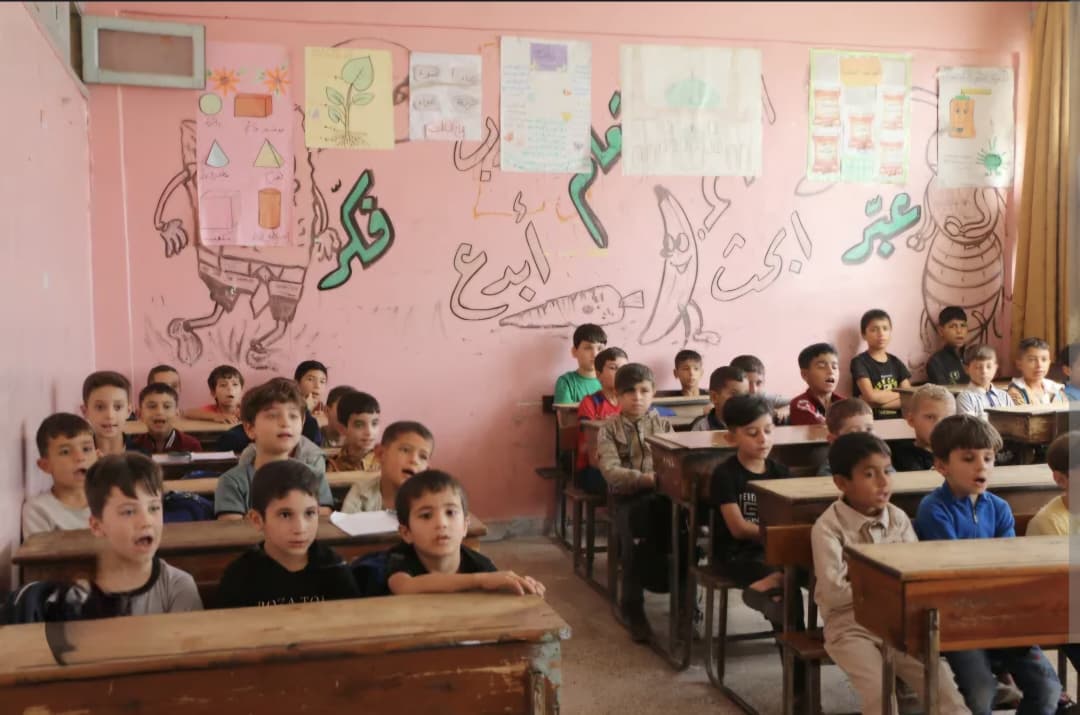
School bells will ring across Aleppo Governorate tomorrow, marking the beginning of a new academic year. For thousands of children and families, the return to the classroom brings a renewed sense of hope and normality after years of disruption.
Across the governorate, schools have been repaired and reopened, giving more children the opportunity to continue their education in safer and more suitable learning environments. Yet for many families, returning to school remains far from simple. Rising living costs, widespread poverty and continued insecurity in some areas are placing enormous pressure on households and making education increasingly difficult to afford.
Rebuilding Schools and Restoring Access to Education
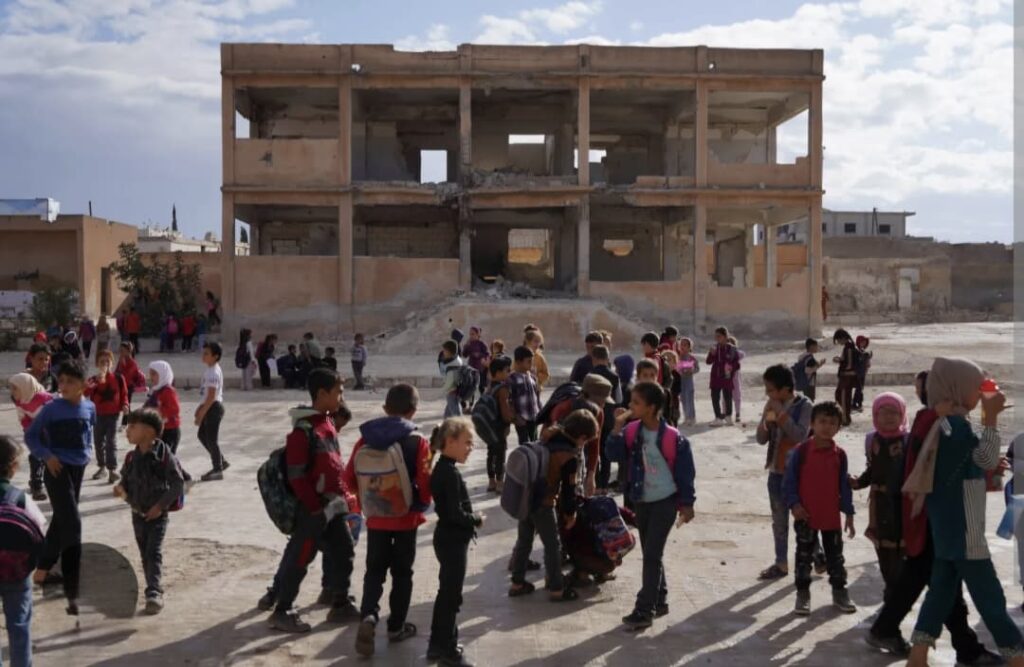
Efforts to restore Aleppo’s educational infrastructure are continuing after years of conflict damaged or destroyed thousands of schools.
Official figures show encouraging progress:
- 134 newly rehabilitated schools are expected to enter service as the new school year begins, providing places for more than 65,000 students.
- Across Aleppo Governorate, 610 schools have been restored and returned to operation out of 3,421 damaged schools.
- Nationwide, the Syrian Ministry of Education reports that 908 schools have recently been restored, with rehabilitation work continuing at a further 1,017 schools.
Each reopened school represents an important step toward restoring access to education and rebuilding a sense of stability for children and their communities.
Rising Costs Are Keeping Education Out of Reach
Rebuilding classrooms, however, is only part of the challenge.
For many families, the cost of preparing a child for school has become increasingly difficult to meet. Backpacks, stationery, uniforms and other basic supplies can consume a significant share of household income, particularly for families with several school-age children.
Parents are often forced to reuse old supplies, share items between siblings or go without essentials altogether. For households already struggling to afford food, housing and transportation, even relatively basic school expenses can become a serious burden.
Economic hardship is also contributing to school dropout and child labour. UNICEF estimates that around 2.4 million children in Syria remain out of school. In Aleppo and surrounding areas, some children are leaving education to work and contribute to their family’s income.
For these children, poverty does not simply make school more difficult. It can determine whether attending school is possible at all.
Insecurity and Transportation Remain Additional Barriers
Families living in rural areas and on the outskirts of Aleppo face further challenges.
Continued instability in some locations, combined with limited and unreliable transportation, can make the journey to school difficult or unsafe. Long distances and transportation costs can also discourage regular attendance, particularly for families already facing financial hardship.
These pressures place children in more vulnerable communities at greater risk of falling behind or leaving school altogether.
More Than Rebuilding Classrooms
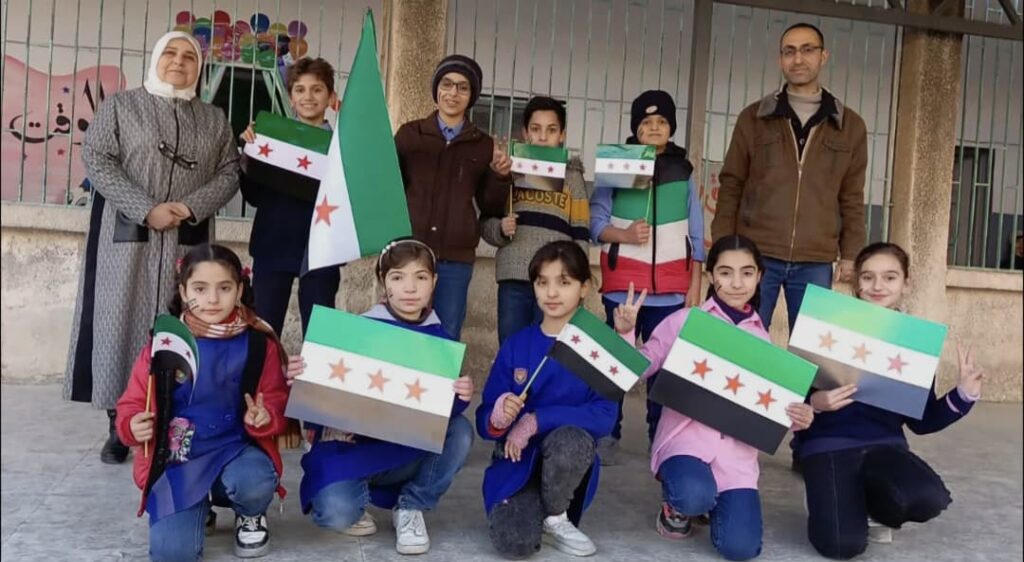
The reopening of schools across Aleppo is an encouraging sign of recovery. For children returning to their classrooms, it offers the chance to learn, reconnect with friends and regain some of the routine that conflict and displacement have taken away.
But restoring buildings alone cannot secure a child’s education.
Families also need the resources to afford school supplies, safe transportation and the everyday costs that allow their children to remain in education. Children need safe communities and consistent access to learning.
As another school year begins, the challenge is not simply to bring children back into classrooms, but to make sure they have the support they need to stay there, learn and build a more hopeful future.

Related Posts

Comments (0)