
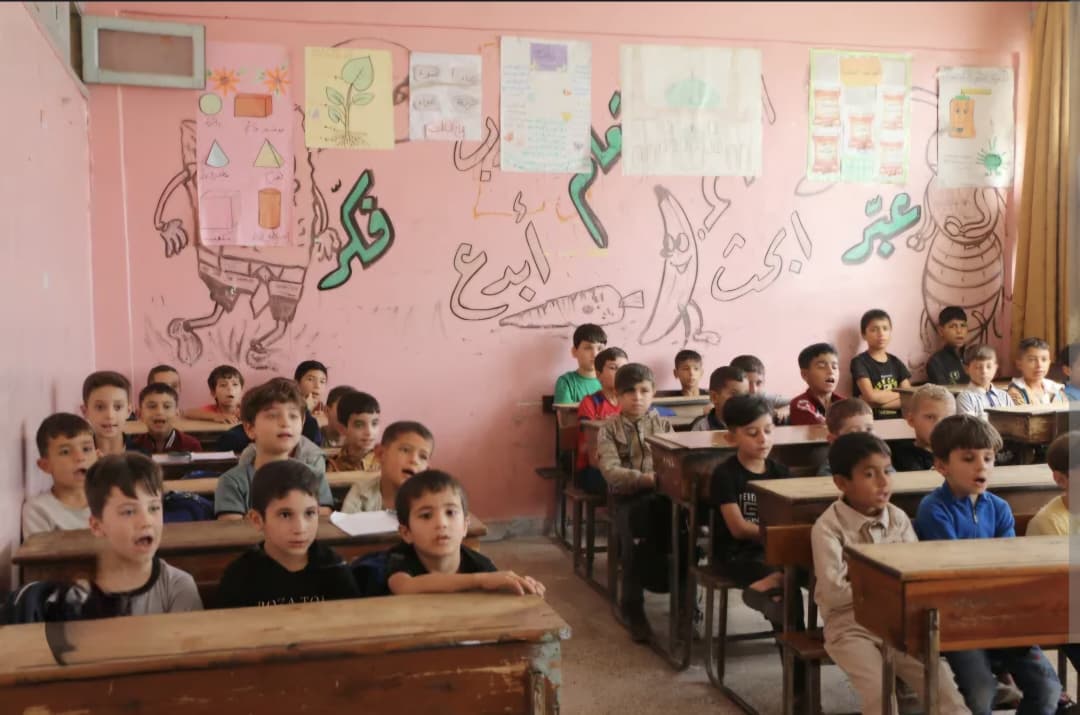
School bells will ring across Aleppo Governorate tomorrow, marking the beginning of a new academic…

Detailed Report on Bayadeen Neighborhood – Aleppo
Bayadeen is a neighborhood that carries the weight of years of destruction, yet it’s slowly beginning to breathe again. Despite the scars left by conflict, the spirit of return and rebuilding is alive among its people.
- Approximately 300 buildings have been either partially or completely destroyed, leaving behind a landscape of rubble and interrupted lives.
- Still, around 70% of the original residents have returned, many of them coming back from countries of displacement such as Turkey, Lebanon, and Jordan. Their return reflects a deep longing for home and a determination to rebuild, even with limited resources.
Public Services and Living Conditions
- Water: Water remains one of the most pressing challenges. A single 1,000-liter water tank costs over 70,000 Syrian pounds, a heavy burden for families already struggling with daily expenses. Although a 170-meter support line was installed to improve water flow, persistent leaks and illegal connections continue to disrupt the network.
- Electricity: Electricity is unstable, with frequent outages and weak current, especially in the higher parts of the neighborhood. This affects everything from lighting to basic appliances and adds to the daily hardship.
- Heating: One of the most painful aspects of life in Bayadeen is the absence of proper heating systems. As winter approaches, families are forced to burn whatever materials they can find—wood scraps, plastic, even garbage—to stay warm. This not only poses serious health risks due to toxic fumes but also increases the danger of fires in already fragile homes.
- Roads and Sanitation: The streets are still riddled with potholes and remain largely unpaved, making movement difficult and unsafe. The sewage system is in poor condition, requiring full rehabilitation to prevent health hazards and environmental damage.
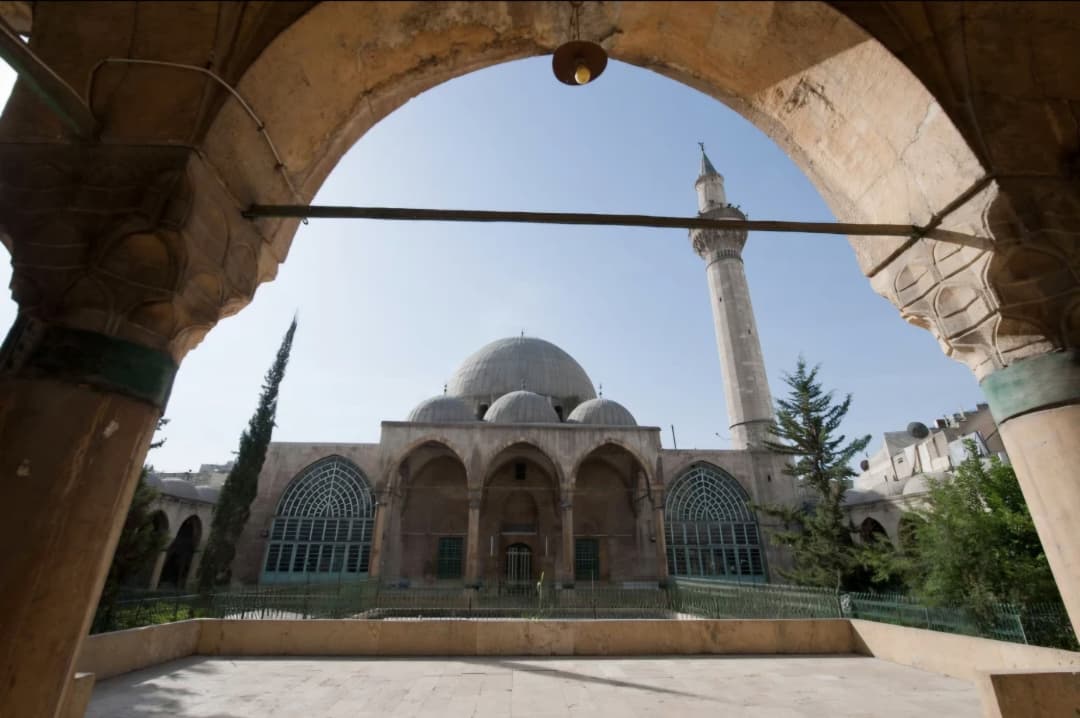
- Internet and Communication: Connectivity is weak or nonexistent in several parts of the neighborhood, particularly near the Ubaydah ibn al-Jarrah Mosque. This digital isolation limits access to education, remote work, and vital communication with the outside world.
Despite the overwhelming challenges, the people of Bayadeen are not giving up. Their return is not just a physical act; it’s a statement of resilience. They are rebuilding their homes, their routines, and their sense of community, one step at a time.
Improving services in Bayadeen is no longer a luxury; it’s a humanitarian necessity. If you’d like, I can help you draft an official request or complaint to highlight these conditions and advocate for urgent intervention.
Bayadeen deserves more than survival. It deserves dignity, safety, and a future worthy of its people.


Related Posts
Comments (0)