
School bells will ring across Aleppo Governorate tomorrow, marking the beginning of a new academic…
Rising Fuel Costs Deepen Economic Pressure on Families Across Syria
A sharp increase in fuel prices has added new pressure to families and communities across Syria, where years of conflict and economic hardship have already made everyday necessities increasingly difficult to afford.
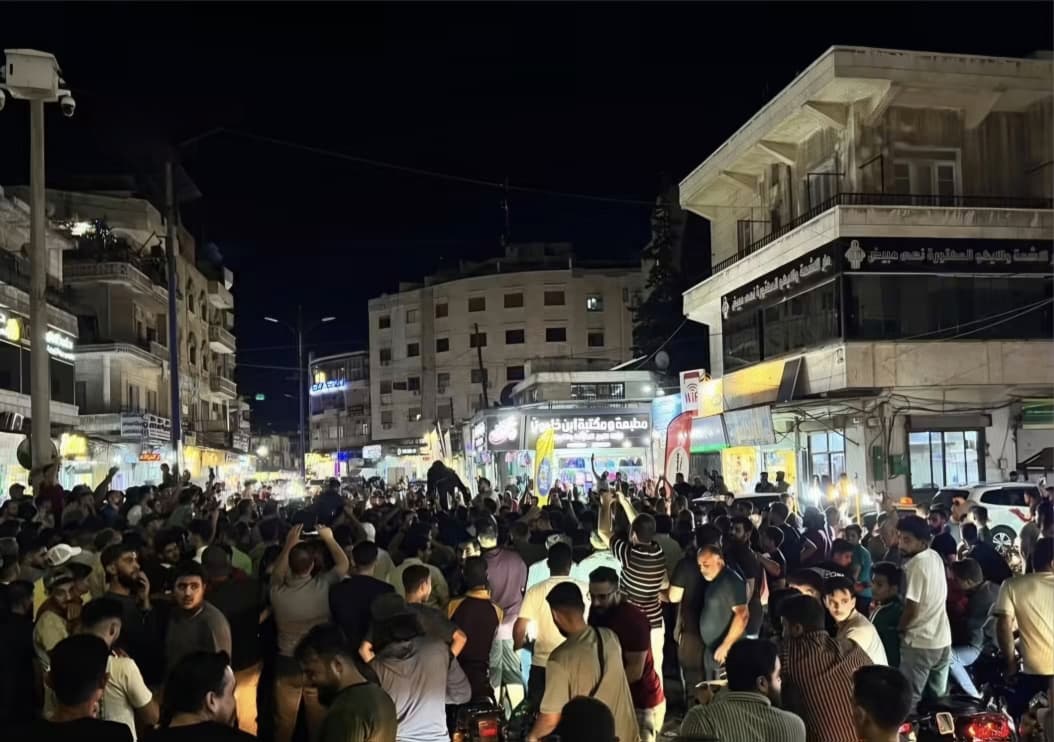
In mid-September, the Syrian government raised diesel prices by 40% and petrol prices by approximately 28%. Officials attributed the temporary increases to higher global fuel costs and maintenance at the Baniyas refinery, which increased the country’s reliance on imported refined petroleum products. The decision prompted widespread protests across several governorates, with demonstrators gathering in public spaces and blocking major roads.
For ordinary families, however, the concern extends far beyond the price paid at the fuel pump. Higher diesel and petrol costs can quickly affect transportation, agriculture, food distribution and the operation of businesses and essential services. Communities already managing limited household incomes now face the possibility of further increases in the cost of getting to work, bringing food to market and meeting basic daily needs.
The demonstrations reflect the depth of the economic pressure many Syrians continue to experience. Protests were reported across multiple parts of the country, including areas of Aleppo, Idlib, Hama and Daraa, as residents called for relief from rising fuel costs.
Following the protests, authorities announced subsidized diesel rates for heating, agriculture and some eligible consumers, an effort intended to reduce part of the immediate burden. The longer-term effects of fuel costs on household expenses and essential goods, however, remain an important concern for communities across the country.
For humanitarian organizations, developments such as these are especially important because increases in transportation and energy costs can affect virtually every aspect of daily life. Families already making difficult decisions about food, housing, healthcare and education may have even less room in their budgets when the cost of transportation, farming and essential goods rises.
At a time when many Syrian communities are still rebuilding their lives and livelihoods, protecting access to basic necessities remains critical. Continued attention to the experiences of vulnerable households, together with measures that reduce the impact of rising living costs, will be essential as communities navigate this latest economic challenge.

Related Posts
Comments (0)