
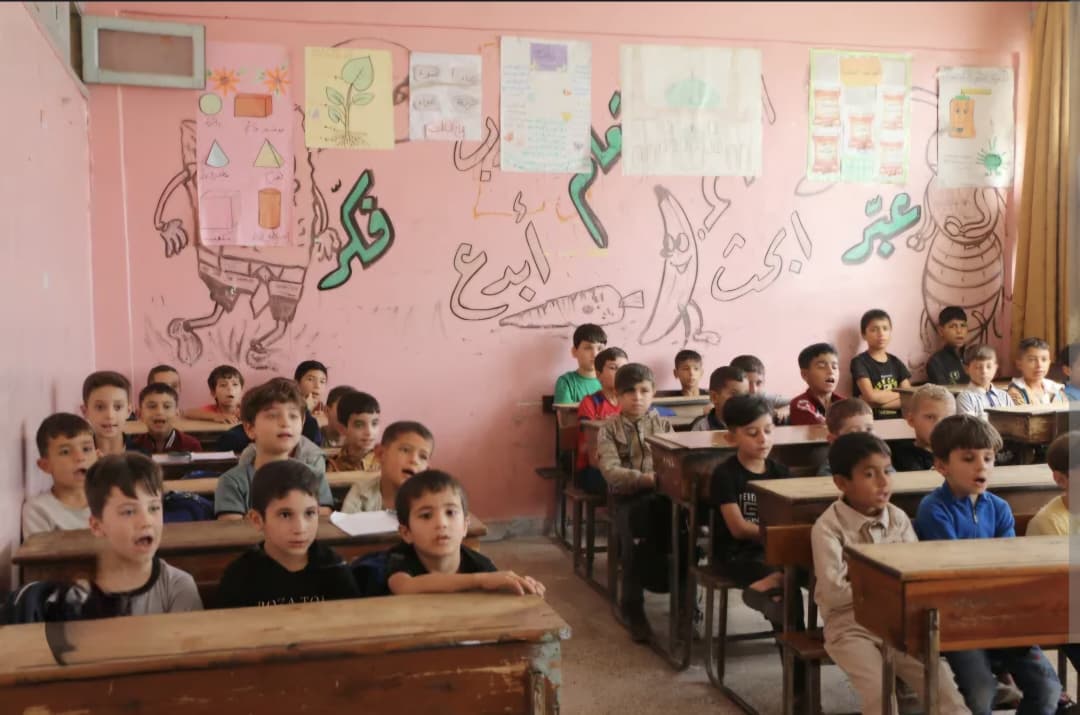
School bells will ring across Aleppo Governorate tomorrow, marking the beginning of a new academic…

Cultural Heritage in Aleppo: Saving Humanity’s Memory Before It’s Too Late
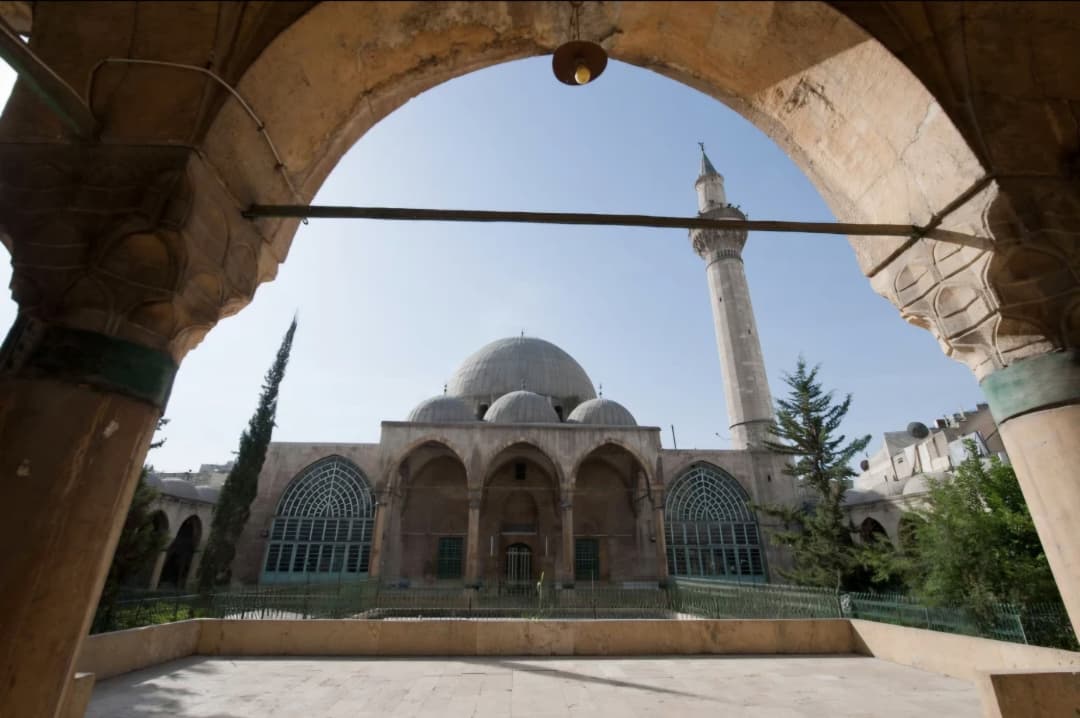
Aleppo is considered one of the oldest continuously inhabited cities in the world, bearing witness to millennia of civilizations. It has long been a vital commercial, cultural, and religious hub in the Middle East. The Old City of Aleppo was home to remarkable historical landmarks such as the Citadel of Aleppo—one of the most impressive examples of medieval military architecture—and the covered souks, which formed an interconnected network reflecting the city’s economic and social life for centuries. These landmarks were not mere stones or buildings; they embodied the soul of the city and its history, representing the deep interaction between people and place.
However, the war that broke out in Syria in 2011 left devastating scars on Aleppo’s heritage. Many historic sites were reduced to rubble. The once-vibrant souks were destroyed, minarets of mosques and church facades were shattered, and libraries containing priceless manuscripts were burned. UNESCO listed the Old City of Aleppo as a “World Heritage in Danger,” a clear warning that what remains of this human treasure could vanish forever unless urgent and decisive action is taken.
Individual efforts are not enough to confront the scale of destruction. A collective response matching the magnitude of this cultural tragedy is required. First and foremost, emergency restoration programs must be implemented, based on international standards to preserve the city’s authentic architectural identity. Haphazard reconstruction can do more harm than good, potentially erasing historical features instead of preserving them. Therefore, collaboration between international experts and local authorities is essential to ensure accuracy and authenticity in rebuilding efforts.
Equally important is the training of local personnel in traditional restoration techniques. The people of Aleppo are the most capable of understanding their city’s cultural and spiritual environment. Empowering local artisans and training a new generation of architects and builders in the art of preservation ensures that the work continues sustainably. Restoration is not merely a mechanical task—it is a delicate craft that requires expertise, patience, and a deep knowledge of every stone and ornament.
Additionally, there is a pressing need to launch global awareness campaigns to raise funds and reignite international attention toward Aleppo’s damaged places of worship and museums. These landmarks do not belong solely to Syrians—they are chapters in the shared history of humanity. Media efforts, NGOs, artists, and writers can play a crucial role in awakening global consciousness and generating both financial and moral support for this cause.
Saving Aleppo’s heritage is not just about protecting physical structures—it is an act of resistance against erasure and forgetting. It affirms that human memory is too valuable to be left to the mercy of conflict and time. In this context, the responsibility to preserve Aleppo’s heritage lies not only with Syrians but with all of humanity. Just as the world unites to protect the environment or combat pandemics, it must unite to safeguard our cultural legacy.
Ultimately, the battle to save Aleppo is not merely a cultural mission—it is a defense of human values themselves. Every city that rises from the rubble and restores its heritage rebuilds its people before it rebuilds its stones. We must act now, before what remains is lost, and another chapter of our civilization is consigned to oblivion.


Related Posts
Comments (0)