
School bells will ring across Aleppo Governorate tomorrow, marking the beginning of a new academic…

Shuaibiya Mosque in Aleppo
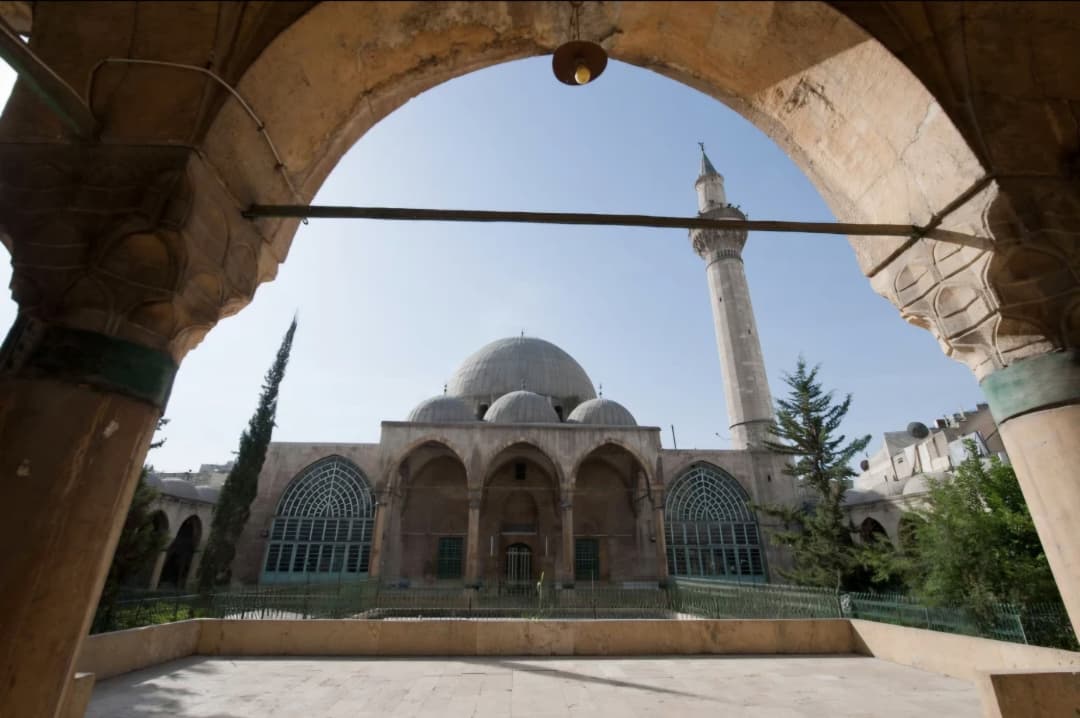
One of the oldest mosques in Syria, the Shuaibiya Mosque in Aleppo embodies a rich history and a unique story of interfaith co-existence. Built in the 7th century AH (13th century AD), the mosque is an architectural masterpiece with its towering minaret and beautiful dome, which reflects the Islamic architecture of the Ayyubid and Mamluk eras.
What makes Shuaibiya Mosque unique is not only its historic architecture, but also the human story behind its foundation. Historical accounts say that it was the Christians in Aleppo who donated the land on which the mosque was built, as a gift to Muslims as a place of prayer. This story highlights the spirit of tolerance and co-operation that has characterized the city’s relationship between people of different faiths over the centuries.
At the time, Aleppo was a thriving commercial and cultural center, bringing together Muslims, Christians and Jews in a harmonious social fabric. The donation of the land by the Christians was not just an act of charity, but an affirmation of the values of co-existence and respect for the right to worship for all.
The mosque is characterized by its simple and elegant design, combining elements of classical Islamic architecture, such as domes and arcades, with local touches that reflect Aleppo’s identity. The square minaret is typical of ancient Levantine minarets, while the entrance decorations and columns carry a medieval time stamp.
Over the years, the mosque has been damaged by wars and earthquakes but has survived as a testament to the city’s history. In the recent periods of unrest in Syria, the mosque, like other landmarks, was damaged, but restoration efforts are ongoing to restore it to its former glory.
Amid the region’s sectarian conflicts, the story of the Shuaibiya Mosque remains a reminder of the ability of communities to live together. It is a message to the present that coexistence is not impossible but was a reality in Aleppo for centuries.
Today, the mosque is not only a place of prayer, but a cultural landmark that tells the story of tolerance between the Christian and Muslim faiths. Its visit is not only a tour of history, but a reminder of the values of justice and mutual respect that should always prevail.


Related Posts

Comments (0)