
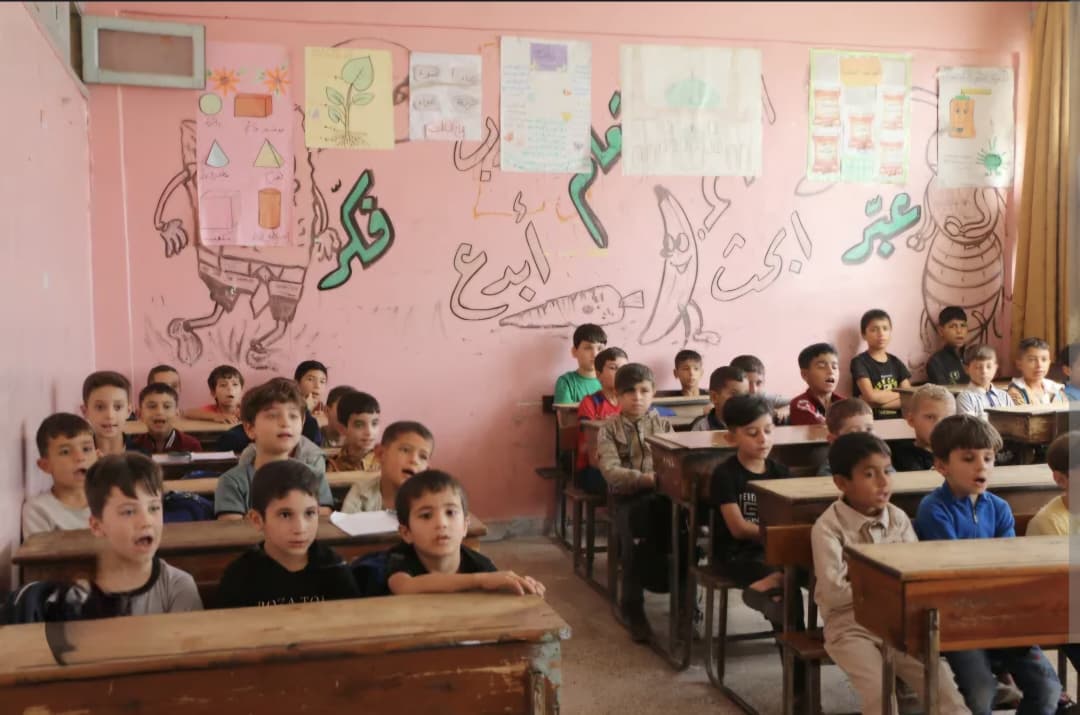
School bells will ring across Aleppo Governorate tomorrow, marking the beginning of a new academic…

Ramadan in Aleppo
For Aleppians, Ramadan has always been a month that feels different from the rest of the year. The pace of daily life shifts, evenings grow livelier, and families become more intentional about spending time together. Alongside the spiritual focus of fasting and prayer, the month carries customs that many people from Aleppo still hold close, even when they are far from home.
Aleppo has long been known for keeping its own Ramadan traditions. One of the most noticeable is the food. Certain items appear almost exclusively during this month and are strongly tied to childhood memories and family gatherings. Maarrouk — the soft, slightly sweet bread often flavoured with anise — is one of the most recognisable. Qamar al-Din, the apricot drink served cold at iftar, is another essential. In the evenings, street vendors selling cotton candy add a simple but familiar touch to Ramadan nights.
Social gatherings are also an important part of the month. The Ramadan Tent is a well-known tradition across Aleppo. Set up in hotels, restaurants, cafés, and shopping centres, these spaces give families and friends somewhere to meet after iftar. People come to sit, talk, drink tea, and spend unhurried time together. While the style of the tents has changed over the years, the purpose has remained the same: to create a welcoming place for the community during Ramadan evenings.
Another tradition many Aleppians remember with affection is the Musaharati. Before dawn, he walks through neighbourhood streets, knocking on doors and calling out in a rhythmic voice to wake people for suhoor. Older residents often recall recognising him by voice alone. Traditionally, the Musaharati was not paid for this role. Instead, families would offer food or sweets during the month and give a small cash gift at the end of Ramadan as a gesture of thanks.
These customs may seem simple, but for many Aleppian families they carry deep meaning. They reflect a strong culture of neighbourliness, generosity, and shared routine. Today, as many families live far from Aleppo, Ramadan can also be a time of remembrance — of familiar streets, evening gatherings, and traditions passed down through generations.
At Crete for Life, we recognise how important these traditions are for the families we support. Preserving cultural memory is part of preserving dignity, connection, and hope.


Related Posts
Comments (0)